What Is Lima? Peru's Capital and Spanish Empire Legacy
Lima, the vibrant heart of Peru, is far more than just a capital city; it's a sprawling metropolis steeped in layers of history, culture, and economic significance. From its ancient indigenous roots to its pivotal role as the seat of the Spanish Empire in the New World, Lima encapsulates a journey through millennia. But before we delve into its grandeur and complexity, one might wonder:
What is Lima meaning, and how did this bustling city acquire its distinctive name? Understanding its etymology provides a fascinating entry point into its rich narrative.
Unearthing the Lima Meaning: From Quechua Roots to Modern Name
The name "Lima" itself carries a captivating story, deeply rooted in the pre-Hispanic heritage of the region. Scholars and historians generally agree that the name is believed to derive from the Quechua word "Limaq." In the indigenous Quechua language, "Limaq" translates to "speaker" or "talker," possibly signifying a place of great importance where decisions were made, or where powerful voices resonated. This interpretation suggests that even before the arrival of the Spanish, the area now known as Lima was a significant cultural and perhaps political hub, a place where people gathered to communicate and govern.
Another compelling theory connects the city's name to the Rímac River, which gracefully flows through the urban landscape. "Rímac" itself means "speaker" or "one who speaks" in Quechua, often referring to the sound of the river's rushing waters. Over centuries, the indigenous term "Limaq" and the river's name "Rímac" are thought to have gradually blurred and converged, evolving into the familiar "Lima" we use today.
Regardless of the precise etymological path, this linguistic journey powerfully reminds us that Lima's identity is inextricably linked to its indigenous roots. Long before its transformation into a colonial powerhouse, it was a thriving cultural center, a testament to the advanced civilizations that flourished in Peru. This foundational
Lima meaning, steeped in indigenous language and landscape, offers a crucial lens through which to appreciate the city's complex evolution and its enduring spirit.
Lima: Peru's Bustling Capital and Economic Powerhouse
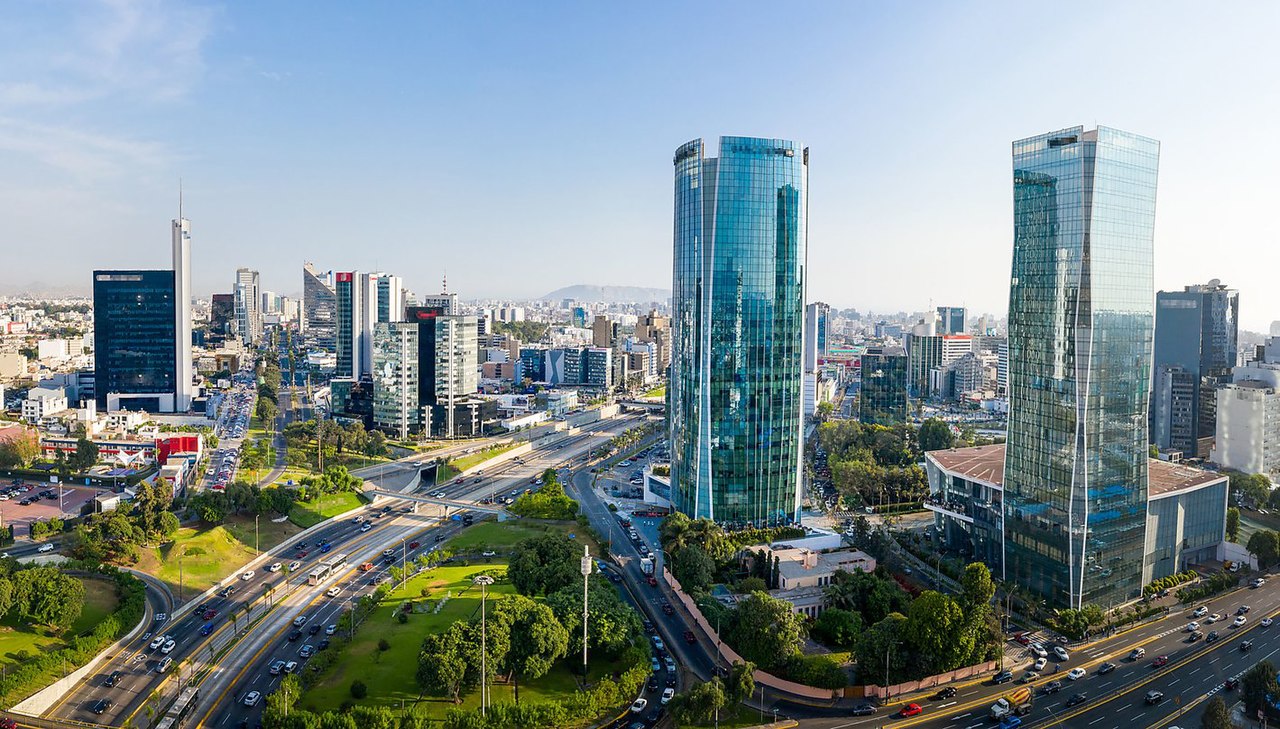
Beyond its historical nomenclature, Lima stands proudly as the capital and largest city of Peru, a designation it has held with increasing prominence. Situated strategically on the arid Pacific coast of western Peru, Lima is not merely a political capital but also the undeniable economic epicenter of the nation. Its geographical position is paramount; a major port city, it acts as Peru's gateway to global trade and commerce, facilitating the export of goods and the influx of international investment.
As the economic heart, Lima boasts a diversified economy. It is home to the country's main financial institutions, corporate headquarters, and a significant portion of its industrial output. Key sectors include manufacturing, services, finance, and increasingly, tourism. The sheer scale of its population – estimated at over 10 million people in its metropolitan area – fuels a dynamic internal market and a vibrant workforce. This bustling energy is palpable, from the towering skyscrapers of modern financial districts like San Isidro to the lively markets and artisan workshops found throughout the city.
Its status as the largest city also means Lima is a melting pot of Peruvian cultures. People from all corners of Peru, each bringing their unique traditions, languages, and culinary practices, converge here, contributing to an incredibly rich and diverse urban tapestry. This demographic density, while presenting challenges in infrastructure and urban planning, also fosters an unparalleled dynamism, creativity, and a constant hum of activity that defines Lima's modern identity. Exploring its various districts, from the bohemian charm of Barranco to the upscale modernity of Miraflores, reveals this incredible diversity and vitality.
The Grand Legacy of the Spanish Empire in Lima
Perhaps one of Lima's most defining characteristics is its profound legacy as the former capital of the Spanish Empire in the New World. Established by Francisco Pizarro in 1535 as "Ciudad de los Reyes" (City of Kings), Lima quickly ascended to become the most important city in Spanish South America. It served as the seat of the Viceroyalty of Peru, which at its peak encompassed much of the Spanish dominion in South America, until the 19th century. This nearly three-century-long reign left an indelible mark on the city's architecture, institutions, and cultural identity.
The Spanish chose Lima for its strategic location, close to important indigenous settlements and, crucially, offering easy access to the sea for communication with Spain and for the transport of resources, particularly silver from the mines of Potosí. From this administrative and political nexus, vast territories were governed, laws were enacted, and cultural influences flowed throughout the continent.
The historical center of Lima, a UNESCO World Heritage site, is a magnificent testament to this colonial grandeur. Visitors can wander through the Plaza Mayor (or Plaza de Armas), still the heart of the city, flanked by architectural masterpieces such as the Government Palace (formerly the Viceroy's Palace), the Cathedral of Lima, and the Archbishop's Palace. These imposing structures, with their intricate balconies, ornate facades, and grand courtyards, showcase the wealth and power of the Spanish Empire. Beyond the main square, numerous colonial churches, convents (like the Monastery of San Francisco with its eerie catacombs), and mansions with elaborate wooden balconies fill the city's older quarters, transporting one back to an era of viceroys, conquistadors, and grand colonial life. This historical depth, combined with its indigenous past, makes Lima a fascinating blend of inherited cultures.
Experiencing Modern Lima: A City of Contrasts and Culinary Delights
Today, Lima is a city that beautifully, and sometimes chaotically, harmonizes its ancient indigenous heritage and grand colonial past with a vibrant, forward-looking present. While the historical center proudly displays its Spanish legacy, modern Lima pulsates with contemporary energy, offering visitors and residents an incredibly diverse and engaging experience.
One of Lima's most celebrated claims to fame in the 21st century is its undeniable status as a global culinary capital. Peruvian cuisine, with its fusion of indigenous ingredients, Spanish influences, and later Asian and African contributions, has achieved international acclaim. Lima is at the forefront of this gastronomic revolution, boasting world-renowned restaurants like Central and Maido, which consistently rank among the best globally. From humble street food stalls serving *anticuchos* (marinated heart skewers) and *ceviche* to high-end dining experiences, the city offers an unparalleled array of flavors. Practical tip: Don't leave Lima without trying *lomo saltado*, *aji de gallina*, and of course, a refreshing *pisco sour*.
Beyond its culinary prowess, modern Lima thrives as a cultural hub. The bohemian district of Barranco, with its colorful murals, art galleries, and lively music venues, is a testament to the city's artistic soul. Miraflores, on the other hand, offers stunning cliffside parks overlooking the Pacific, upscale shopping, and a more cosmopolitan vibe. Throughout the city, you'll find a dynamic arts scene, bustling markets, and a resilient, creative spirit that continues to innovate while honoring its profound roots. The juxtaposition of ancient pyramids (like Huaca Pucllana) amidst modern skyscrapers exemplifies Lima's unique blend of eras.
In conclusion, Lima is a city of profound meaning, both in its linguistic origins and its historical trajectory. From the indigenous "Limaq" that hints at its ancient significance, through its centuries as the powerful heart of the Spanish Empire, to its current role as Peru's dynamic capital and a global culinary beacon, Lima tells a story of constant evolution and enduring identity. It is a city that challenges, delights, and inspires, inviting everyone to explore its rich layers and discover their own
meaning within its vibrant embrace.