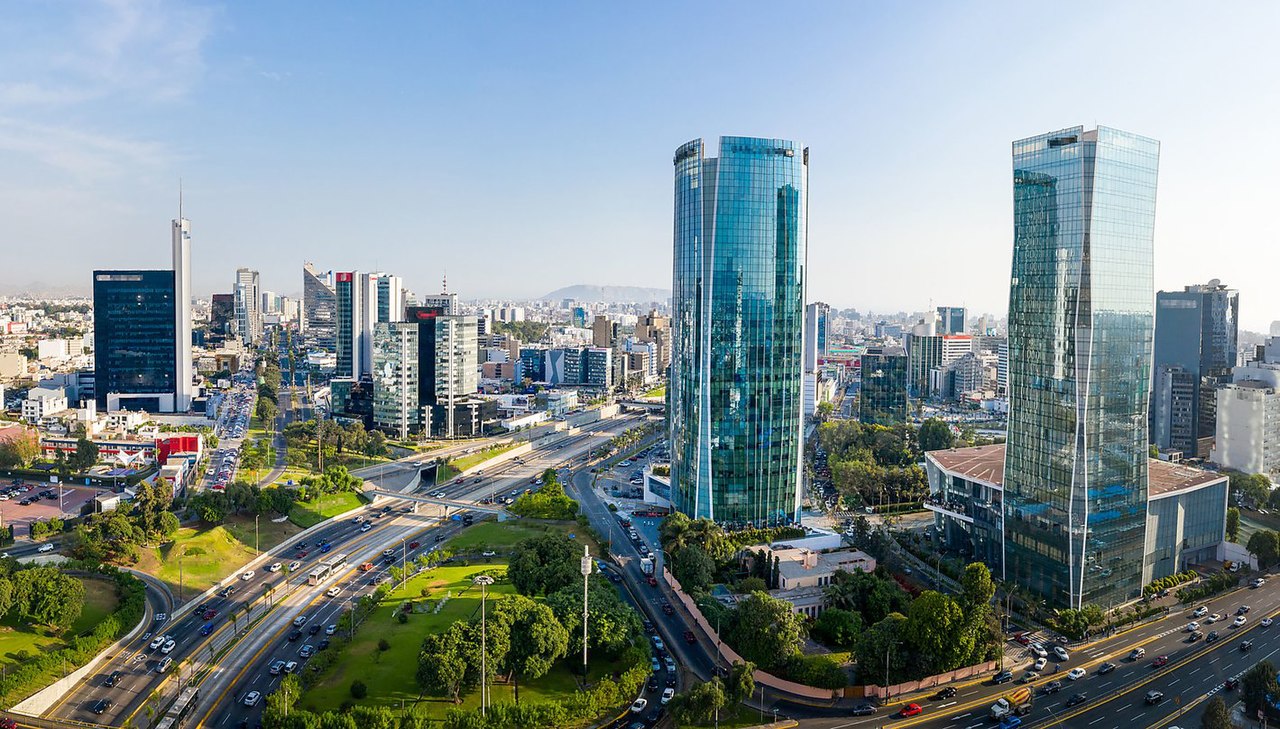
Unveiling Lima's Core: Decoding the True Lima Meaning
Lima, a city of vibrant contrasts and captivating history, stands as the bustling capital and economic heart of Peru. For many, it's a gateway to ancient Incan wonders, a culinary mecca, or a sprawling metropolis by the Pacific. Yet, beyond its modern allure and colonial grandeur lies a deeper narrative, woven into the very fabric of its name. Understanding the Lima meaning is not just a linguistic exercise; it's a journey into the soul of a city shaped by indigenous wisdom and the embrace of a powerful river.
Often, the names of places carry whispers of their past, revealing profound connections to their geography, people, or historical events. In Lima's case, the origin of its name is a fascinating tale, steeped in Quechua roots and inextricably linked to the natural landscape. While its status as a historical titan – once the capital of the Spanish Empire in the New World – is widely recognized, the true etymology of "Lima" offers a compelling glimpse into a pre-colonial identity that continues to resonate today. Join us as we explore the theories behind this enigmatic name, revealing how its indigenous heritage remains a vital part of its modern identity.
Beyond the Capital: Lima's Historical and Economic Significance
Before delving into the etymological tapestry, it's crucial to acknowledge Lima's immense significance. As the largest city in Peru, it is not merely a political capital but also the undisputed economic and cultural epicenter. Located on the arid Pacific coast of western Peru, its strategic position has been paramount throughout history.
For centuries, Lima served as the illustrious capital of the Spanish Viceroyalty, governing much of South America until the 19th century. This legacy is palpable in its UNESCO-listed historic center, adorned with magnificent colonial architecture, ornate balconies, and grand plazas that whisper tales of imperial power and wealth. The city's role as the "City of Kings" during this era shaped its infrastructure, culture, and influence, establishing it as a pivotal hub for trade, administration, and religious authority in the New World. To truly grasp the breadth of its historical impact, one might explore What Is Lima? Peru's Capital and Spanish Empire Legacy, which delves deeper into its colonial past.
Today, Lima continues to thrive as a dynamic metropolis, attracting millions with its world-renowned culinary scene, vibrant arts, and a unique blend of ancient and modern influences. Its economic prowess drives much of Peru's national growth, solidifying its status as an indispensable global city. But to understand its deepest identity, we must turn to its name.
The Quechua Whisper: Deciphering "Limaq" and its Meaning
One of the most compelling theories regarding the Lima meaning traces its origins back to the indigenous Quechua language. Quechua, the language of the Inca Empire and still widely spoken in the Peruvian Andes, offers a profound cultural connection. According to this theory, the name "Lima" derives from the Quechua word "Limaq."
What does "Limaq" mean? It translates most commonly to "speaker" or "talker." This interpretation opens up a fascinating window into what the region might have represented to its pre-Columbian inhabitants. Why would a place be called "speaker"? Several intriguing possibilities emerge:
- A Place of Oracles or Prophecy: Ancient cultures often designated specific geographical sites as sacred, places where spirits or deities spoke through shamans or natural phenomena. A "speaker" could refer to a sacred site known for its oracles, where people sought guidance or communicated with the divine.
- A Communicative Hub: The area around modern-day Lima was a significant pre-Incan cultural center, home to various civilizations like the Lima, Wari, and Ichma cultures. It might have been a place where different communities converged, debated, and communicated, acting as a central point for interaction and exchange.
- A Loud or Noisy Place: Less mystically, "speaker" could refer to a place that was audibly distinct – perhaps due to the rushing sound of a powerful river, the clamor of a busy marketplace, or the echoes within certain geographical features.
Regardless of the precise nuance, the "Limaq" theory firmly anchors the city's name in its indigenous heritage, reminding us that vibrant societies thrived here long before the arrival of the Spanish.
The River's Embrace: The Rímac and Its Etymological Echo
Complementing the "Limaq" theory is another powerful explanation that connects the city's name directly to its most vital geographical feature: the Rímac River. This river, whose name also derives from Quechua (Rimaq), flows from the high Andes, carving its way through the valley and providing the essential water source that sustains the sprawling city of Lima.
The Rímac River isn't just a natural landmark; it's the lifeblood of Lima. Without its waters, the arid coastal desert where the city sits would be uninhabitable. It has been a crucial element for all civilizations that have flourished in the valley, from ancient agricultural societies to the modern metropolis. Given its indispensable role, it is entirely logical that the city's name would be intrinsically linked to it.
The theory suggests that the name of the river itself, Rimaq (also meaning "speaker" or "noisy river" in a sense, due to its rushing waters), became the basis for the city's designation. Over time, as Spanish conquerors attempted to pronounce and record indigenous place names, the "Rimaq" of the river and the "Limaq" of the potential oracle site (or simply the local area) likely converged and were simplified into the more easily pronounced "Lima." The phonetic similarities between Rimaq and Limaq would have made this linguistic evolution quite natural.
This blending of names, therefore, isn't just about pronunciation; it's a testament to the profound connection between the indigenous people, their language, and their environment. It highlights how geographical features were not just resources but integral parts of cultural identity and nomenclature.
A Confluence of Meanings: The Blending of Limaq and Rímac
Ultimately, the most widely accepted and nuanced understanding of the Lima meaning is that it represents a beautiful confluence of both theories. It's not necessarily one or the other, but rather a blending of the Quechua word Limaq ("speaker") and the name of the life-giving Rímac River (itself derived from Rimaq). The interaction of these two elements, likely pronounced similarly and referring to overlapping concepts in the pre-Columbian worldview, led to the simplified "Lima" that we know today.
This etymological journey reinforces a crucial point: Lima was a significant cultural and geographical center long before Francisco Pizarro founded the Spanish city in 1535. The indigenous roots of its name serve as a constant reminder of the sophisticated civilizations that thrived here, leaving behind impressive archaeological sites like Huaca Pucllana and Pachacamac – monumental testaments to a rich pre-Hispanic legacy. For a more detailed dive into its nomenclature and status as a hub, consider reading Unpacking Lima: Name Meaning, History, and Peru's Hub.
Experiencing Lima's Indigenous Echoes Today
Understanding the Lima meaning enriches any visit to the Peruvian capital. It transforms a simple place name into a narrative, inviting deeper appreciation for the city's complex identity. Here are some ways to connect with Lima's indigenous and riverine roots:
- Visit Archaeological Sites: Explore Huaca Pucllana or Pachacamac to witness the architectural prowess and cultural sophistication of pre-Incan civilizations. These sites offer a tangible link to the "speakers" of the past.
- Explore the Rímac River Banks: While much of the river's path through the city is urbanized, appreciating its role as the city's lifeblood helps contextualize its etymological importance. The Rímac district, one of Lima's oldest, borders the river and offers a glimpse into colonial life juxtaposed with the river's ancient presence.
- Engage with Quechua Culture: Seek out museums dedicated to pre-Columbian art and history, such as the Museo Larco. Many cultural events and markets feature Quechua art, music, and textiles, providing a living connection to the language and people behind the name.
- Taste Peruvian Cuisine: The foundations of Peruvian gastronomy lie in indigenous ingredients and culinary traditions. By savoring local dishes, you're experiencing a continuity of culture that dates back millennia.
Conclusion: Lima, A Name with Enduring Resonance
The name "Lima" is far more than just a label on a map; it is a repository of history, culture, and geography. Its believed origins in the Quechua word "Limaq" ("speaker") and its inextricable link to the mighty Rímac River paint a vivid picture of a place deeply rooted in its indigenous past and natural environment. This dual heritage – a sophisticated pre-Columbian past overlaid with a powerful Spanish colonial legacy – is what makes Lima such a compelling and multifaceted destination.
To truly appreciate Lima is to understand that its name whispers tales of ancient oracles, the life-giving force of a river, and the enduring spirit of its original inhabitants. As you navigate its bustling streets, savor its world-class cuisine, or marvel at its historical architecture, remember that the true Lima meaning is a testament to its unique position at the crossroads of ancient wisdom and modern dynamism, a city that continues to speak volumes about its rich and layered identity.